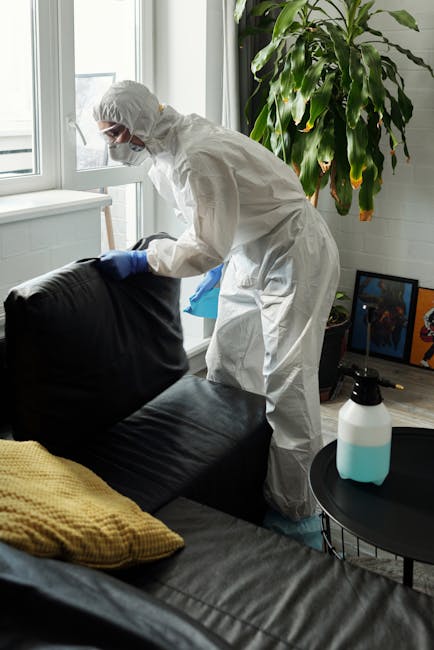
Sofa stain emergency cleaning near South Kensington station
Posted on 31/07/2026
If a drink has just spilled, a curry mark is spreading, or a pet accident has landed on your sofa at the worst possible moment, you need calm, fast, practical advice. Sofa stain emergency cleaning near South Kensington station is about acting quickly enough to stop the stain setting, while also avoiding the kind of panic cleaning that can make things worse. In a busy London home, rental flat, or office lounge, that first half hour matters a lot. This guide walks you through what to do, what not to do, and when professional upholstery help is the safer option.
Whether you are dealing with velvet, linen, wool, synthetic fabric, or leather-look upholstery, the right response depends on the material and the spill. We will cover the steps that work, the common mistakes people make in a rush, and how to judge if the sofa needs an emergency visit, a deeper treatment, or simply careful at-home spot cleaning. If you want a broader look at related services, you can also browse the services overview or read more local advice in the blog.

Why Sofa stain emergency cleaning near South Kensington station Matters
A sofa stain is not just a cosmetic issue. Left alone, a fresh spill can spread along the fibres, wick into the cushion filling, and leave a ring that is far harder to remove later. In a fabric sofa, the liquid can travel wider than you expect. On a pale armchair in a South Kensington flat, for instance, a tea splash that looked minor at first can turn into a noticeable patch by evening. That is the annoying part. You think you can deal with it later, and later is often too late.
Emergency cleaning matters because upholstery is less forgiving than a hard surface. Fabric absorbs. Foam holds moisture. Some dyes react to cleaning agents. And if you scrub too hard, you can flatten the pile or leave a faded halo that is, frankly, worse than the original mark. Near South Kensington station, where many homes are compact, well-finished, and often heavily used, fast sofa stain response helps protect both the room and the furniture value.
It also matters for time. A commuter household may not have the luxury of a full deep-clean routine at 7pm, and a hospitality or office setting cannot leave a stained reception sofa looking sorry for itself all week. If you are already thinking broader than one stain, a planned refresh through upholstery cleaning in Kensington or even one-off cleaning support can be a sensible next step.
Expert summary: the sooner you blot, assess the fabric, and choose the right method, the better your chance of removing the stain without leaving a watermark, texture change, or lingering smell.
How Sofa stain emergency cleaning near South Kensington station Works
Emergency sofa stain cleaning is really a sequence of careful decisions. First, you identify the spill type. Water-based stains, oily marks, tannin stains like tea or coffee, ink, makeup, food sauces, and pet accidents all behave differently. Then you check the upholstery label or care guidance if it is available. Some fabrics can handle moisture-based treatment; others are much happier with minimal liquid or specialist solvent-based cleaning. To be fair, this is where many DIY attempts go sideways.
The cleaning process usually starts with dry removal. Loose solids are lifted away. Excess liquid is blotted, not rubbed. A suitable cleaning solution is then tested in a hidden spot. A small, controlled amount is used. Then the stain is worked from the outside in, often with repeated blotting rather than heavy scrubbing. If the fabric allows it, the area may be lightly rinsed and extracted so residue does not stay behind and attract more dirt later.
For a quick local response, the aim is not just to make the visible mark disappear. The aim is to stabilise the fabric, prevent a tide mark, reduce odour, and protect the filling. A good technician will also judge drying conditions. That part sounds boring, but it matters. A sofa that looks clean but stays damp too long can pick up smells or develop back staining underneath.
If the stain is stubborn, an experienced cleaner may recommend a deeper fabric-safe treatment rather than repeated aggressive spot cleaning. In some cases, it helps to compare the sofa job with broader local cleaning support such as deep cleaning in Kensington or practical stain-related advice in this upholstery cleaning guide.
Key Benefits and Practical Advantages
The biggest benefit is obvious: you protect the sofa. But the real advantages go a bit further than that.
- Better stain removal odds: fresh stains are far easier to lift than set-in marks.
- Lower risk of fibre damage: the right process avoids harsh scrubbing and over-wetting.
- Odour control: especially important after food spills, drinks, or pet accidents.
- Less visible patching: correct technique helps prevent rings and discolouration.
- Faster room recovery: useful when the sofa is in a living room, waiting area, or rental property.
- Longer upholstery life: stain-safe cleaning helps preserve texture and appearance.
There is also a confidence benefit. Once you know what to do in the first few minutes, the whole situation feels less dramatic. And let's face it, a stain on a sofa can feel weirdly bigger than it is. You notice it every time you walk past. Better handling means less stress hanging around the room with you.
In local properties near South Kensington station, where furniture often sits in bright, elegant rooms and receives regular use, appearance matters. If you are preparing a property for guests, sale, or the end of a tenancy, it may be worth reading advice on avoiding hidden charges in end of tenancy cleaning as well, since upholstery condition can affect the overall standard expected at handover.
Who This Is For and When It Makes Sense
This kind of emergency cleaning is useful for homeowners, tenants, landlords, letting agents, short-let hosts, and office managers. It is especially relevant if the sofa is in daily use and the stain is fresh enough to still be responsive. If you have just discovered the mark, or you know it happened within the last few hours, action is worthwhile. That is the sweet spot.
It also makes sense when the fabric is delicate or valuable. A family sofa in a South Kensington home might be a designer piece, a vintage find, or simply something you do not want to risk with a guess-and-hope approach. In a rental flat, a single stain can become a dispute if it is not treated quickly and properly. In an office lounge, the problem is reputational as much as visual. People do notice.
If you are planning a bigger clean anyway, emergency treatment can be folded into a wider visit. That may be a practical move if the sofa is one part of a larger reset, such as a pre-event refresh, a post-party tidy-up, or a general home overhaul. For broader residential support, domestic cleaning in Kensington or house cleaning may be the more fitting route. If it is a workplace, office cleaning in Kensington can help keep the whole space presentable, not just one chair.
Step-by-Step Guidance
If the stain has just happened, this is the straightforward sequence to follow. Keep it calm. Speed matters, but panic does not help.
- Remove solids first. Lift off food, debris, or residue gently with a spoon or dull edge. Do not press it deeper.
- Blot immediately. Use a clean white cloth or paper towel and blot from the outside toward the centre.
- Check the fabric type. If there is a care label, read it before adding any liquid. If you are unsure, test carefully in an unseen spot.
- Use the lightest effective solution. Start with plain water for some stains, or a fabric-safe cleaner if the stain type needs it.
- Work in small passes. Apply a little, blot, then reassess. Small is better than heroic.
- Rinse lightly where suitable. Too much cleaning residue can attract dirt later, so remove leftover solution if the fabric allows it.
- Dry the area. Pat with a dry cloth, ventilate the room, and avoid sitting on the damp section until fully dry.
- Escalate if needed. If the stain spreads, smells, or begins to set, stop and get professional help.
A simple rule: if you can still see the original spill clearly after the first gentle pass, do not keep scrubbing. That is the moment to pause. The next step may be a specialist upholstery treatment rather than another kitchen-sink experiment.
Expert Tips for Better Results
Experienced cleaners tend to be careful rather than dramatic. That is the secret. A few small habits make a big difference.
- Use white cloths only. Coloured towels can transfer dye onto the fabric, which is a maddening extra problem.
- Blot, never scrub. Scrubbing pushes the stain deeper and can rough up the weave.
- Work from the edge in. This helps stop the mark from spreading outward.
- Keep the area cool and ventilated. Drying matters as much as cleaning.
- Avoid soaking the cushion. Surface cleaning should stay controlled. Over-wetting creates its own issues.
- Check for shrinkage or pile change. Some fabrics respond badly to moisture, even if the stain itself lifts.
One practical tip people overlook: take a quick photo before cleaning if the stain may become a tenancy or insurance discussion later. Not to be dramatic, just sensible. It documents the state of the sofa before you touched it. Useful, simple, done.
If you want to understand the type of cleaner you are trusting with the job, the article on licensing and insurance for Kensington cleaners is worth a look. And if your sofa stain is part of a broader spring reset, spring cleaning in Kensington may fit neatly into the same plan.

Common Mistakes to Avoid
This is where the good intentions go wrong. Most stain damage is not caused by the spill itself. It is caused by what happens next.
- Rubbing hard: this drives pigment into the fibres and makes the patch fuzzier.
- Using too much water: the stain can spread, and the cushion may hold moisture for too long.
- Mixing random products: bleach, vinegar, dish soap, and mystery spray cleaners are not a clever cocktail.
- Ignoring the fabric code: delicate upholstery needs a different approach from synthetic blends.
- Drying with heat too quickly: heat can set certain stains and may distort the fabric.
- Waiting too long: the stain gets time to bond with the fibres. Not ideal, obviously.
Another common mistake is overconfidence after a partial improvement. The mark looks lighter, so people stop and assume it is sorted. Then, a few hours later, a ring appears. That delayed effect is annoying because it looks like the sofa has changed its mind. It has not. The moisture simply moved around while drying.
For rental homes, pair good stain handling with practical knowledge about cleaning costs in the W8 postcode, so you can judge whether a quick spot fix is enough or whether a professional visit will be more efficient in the long run.
Tools, Resources and Recommendations
You do not need a cupboard full of gadgets, but a few sensible items help a lot. A basic emergency kit can include:
- clean white microfibre cloths
- paper towels for initial blotting
- a small bowl of cool water
- a fabric-safe upholstery cleaner
- a soft-bristled brush for very gentle agitation where suitable
- a handheld fan or good room ventilation
- a spoon or dull scraper for solids
If you keep a home kit, store it where it is easy to reach. A spill is not the moment for rummaging around behind winter coats. In busy households, a small labelled bag in a utility cupboard saves time and nerves.
Professional intervention becomes more sensible when the sofa is expensive, the stain is large, or the fabric is touchy. That is especially true for velvet, silk blends, antique upholstery, or anything with unclear care instructions. If you need a more structured approach to cleaning tasks beyond the sofa, the services overview and pricing and quotes pages can help you compare options. If you are ready to ask something specific, use the request a quote page or go straight to contact.
Law, Compliance, Standards and Best Practice
For most household sofa stains, there is no special legal process. Still, best practice matters, especially in shared buildings, rentals, offices, and managed properties. If the cleaning might affect a tenancy, insurance claim, or business premises, keep a simple record of the incident, the stain type if known, and the steps taken. That kind of note can save argument later. Nothing fancy. Just useful.
From a safety point of view, it is wise to follow normal UK household chemical precautions. Do not mix products. Keep cleaners out of reach of children and pets. Ventilate the room. Test any product before applying it widely. And if a product label advises specialist use only, believe it. There is no prize for guessing.
For professional work, customers usually expect a cleaner to act with care around fabrics, to explain any risks clearly, and to avoid overpromising. That aligns with the sort of practical standards reflected in pages like insurance and safety and health and safety policy. If you are comparing providers, that transparency is a very good sign.
It can also help to know how waste, packaging, or disposable cloths should be handled after the job, particularly in managed properties or commercial settings. For a local perspective, see Kensington and Chelsea council rules for waste disposal cleaning. The details may vary by situation, so keep it practical and cautious rather than assuming one neat rule fits every case.
Options, Methods, or Comparison Table
When a sofa stain is urgent, you usually have three routes: treat it yourself, book a specialist spot treatment, or arrange a wider upholstery clean. Each has its place.
| Approach | Best for | Pros | Limitations |
|---|---|---|---|
| DIY blotting and light spot cleaning | Fresh minor spills on known fabric types | Fast, low cost, immediate action | Higher risk of ring marks or over-wetting if done badly |
| Professional emergency stain treatment | Delicate fabrics, large stains, odorous spills | Better control, fabric-aware methods, less guesswork | Costs more than doing nothing, which is fair enough |
| Full upholstery clean | Repeated marks, multiple stains, overall dullness | More even finish, broader freshness, better long-term result | May be more than you need for a single fresh spill |
How do you choose? If the stain is tiny and fresh, DIY may be enough. If it is spreading, set in, or on a costly piece, professional help is more sensible. If the sofa is generally grubby and not just stained in one spot, a full clean is usually better value than chasing one mark at a time. In a nice flat near the station, where the room already has a polished look, the fuller option often ends up being the less stressful one.
Case Study or Real-World Example
Picture a common scene: early evening, just back from work, a takeaway drink gets knocked onto a two-seat fabric sofa. The spill is dark, the cushion is light, and within moments the stain looks bigger than the splash itself. The first instinct is to press a kitchen towel into it and rub. That is the wrong move, but a very human one.
A better response is to blot gently, check the fabric label, and test a small amount of water or fabric-safe cleaner in a hidden area. If the stain starts to lighten without spreading, you continue in short passes. If the cloth starts to catch dye, or if the mark remains stubborn after a few careful attempts, you stop. At that point, a local upholstery specialist is the safer call. Not because the job is hopeless, just because the fabric has started to tell you it wants a more measured approach.
In practical terms, that quick decision can be the difference between a small clean patch and a permanent halo. And yes, one side of the cushion always seems to dry more slowly than the other. It is one of those mildly unfair things about upholstery.
If the property is part of a move-out or a new tenancy, the issue can connect with wider cleaning concerns. A useful next read is end of tenancy cleaning in Kensington, especially if the sofa sits in a furnished rental and you want the whole space to look presentable, not just one repaired spot.
Practical Checklist
Use this checklist when a sofa stain happens near South Kensington station, or anywhere else for that matter.
- Act quickly and keep the area calm
- Remove solids without pushing them deeper
- Blot with a clean white cloth
- Identify the stain type if possible
- Check the upholstery care label
- Test any cleaner in an unseen spot
- Use minimal liquid
- Work from the outside in
- Avoid scrubbing and avoid heat
- Dry the area thoroughly
- Watch for rings, odours, or colour loss
- Book professional help if the fabric is delicate or the stain is stubborn
If you want one short rule to remember, make it this: blot first, test second, and only then treat the stain. Simple. Not always easy in the moment, but simple.
Conclusion
Sofa stain emergency cleaning near South Kensington station is really about quick judgment, gentle technique, and knowing when to step back. A good first response can save the upholstery, prevent a bigger cleaning bill, and stop a minor spill from becoming a lingering problem. The trick is not to overdo it. A careful approach usually beats a dramatic one.
If the mark is fresh, start small and stay controlled. If the fabric is delicate or the stain is not budging, bring in a specialist before the problem settles in. That is often the smartest, least stressful route. And if you are also looking after the wider home or workplace, it may be worth considering related services such as about us and the wider local cleaning advice available on the site.
Get a free quote today and see how much you can save.
Even a messy moment can be handled well. Sometimes all it takes is a steady hand, a clean cloth, and a bit of patience.