Gloucester Road rug cleaning expert tips
Posted on 10/06/2026
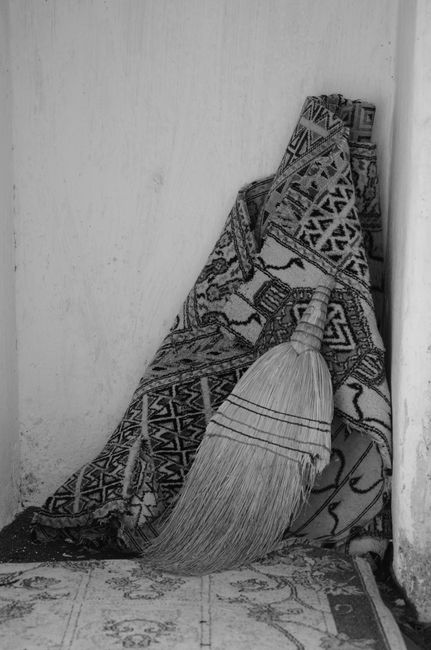
If you live near Gloucester Road, you already know rugs do more than sit on the floor. They soften hard rooms, tame echo in Victorian conversions, and collect a fair bit of everyday life too: muddy shoes after a sudden shower, coffee drips during a rushed morning, pet hair, crumbs, and that slightly dusty smell that creeps in when a rug has had one season too many. These Gloucester Road rug cleaning expert tips are designed to help you clean smarter, protect delicate fibres, and avoid the mistakes that can turn a good rug into an expensive regret.
Whether your rug is wool, synthetic, silk-blend, flatweave, shaggy, or something hand-knotted and a bit precious, the right approach matters. Truth be told, a lot of rug damage happens during well-meant DIY cleaning. This guide walks you through practical methods, what to do before cleaning, when to stop and call in help, and how to keep your rug looking good for longer.
Why Gloucester Road rug cleaning expert tips Matters
Rug cleaning sounds simple until you are standing there with a damp patch, a faint stain that has gone wider than expected, and a rug that now feels stiffer than it should. In a busy part of London like Gloucester Road, rugs often face more traffic than people realise. Hallways are narrow, shoes pick up grit, and rooms tend to be used hard because modern life is, well, modern life.
Expert tips matter because rugs are not all cleaned the same way. A wool rug behaves differently from a synthetic one. A tufted rug reacts differently from a handwoven piece. Even water temperature can make a difference. If you use the wrong product or scrub too aggressively, you can flatten the pile, spread staining, or cause colour bleed. And once that happens, fixing it is much harder than preventing it.
There is also the question of value. Some rugs are bought to anchor a room; others are kept because they were inherited, chosen carefully, or simply look too good to part with. A sensible cleaning routine protects both appearance and lifespan. That is the real win here. Not just cleaner fibres, but a rug that keeps doing its job without looking tired after six months.
For homeowners, renters, landlords, and busy households, the point is the same: clean early, clean carefully, and understand what the rug needs before you reach for a bottle or a brush.
How Gloucester Road rug cleaning expert tips Works
Good rug cleaning starts long before any water touches the fibres. The basic process is part observation, part preparation, and part restraint. That last one matters more than people think. You do not need to attack every mark. Sometimes the best result comes from doing less, but doing it properly.
Here is the practical logic behind the process:
- Identify the rug type. Wool, cotton, jute, sisal, synthetic fibres, viscose, silk, and blends all need different handling.
- Check the backing and dye stability. A rug can look robust on top and still be delicate underneath. Dye that runs is a bigger problem than a visible stain.
- Remove dry soil first. Dust, grit, and crumbs should be lifted out before any wet cleaning. Otherwise they turn into mud.
- Test any cleaner. A small hidden corner is the sensible place to check for colour loss or texture changes.
- Use the lightest effective method. Spot clean first, then move up only if needed.
- Dry thoroughly. Moisture left behind can create odour, rippling, or mildew. Nobody wants that slightly musty smell on a rainy morning.
Professional rug care often follows the same idea, just with better equipment and more experience in spotting risk. If you want a broader sense of how deep cleaning services are structured, our deep cleaning service in Kensington explains the kind of careful, step-by-step approach that usually delivers the best outcome.
In some cases, rug cleaning also fits within a wider home maintenance plan. If you are refreshing a property seasonally, pairing rug care with spring cleaning in Kensington can make the whole space feel lighter and more organised. Simple, but effective.
Key Benefits and Practical Advantages
Expert rug cleaning tips are not just about aesthetics, although let's be honest, a clean rug does make a room feel sharper almost instantly. The practical advantages go deeper than that.
- Better fibre life: Regular, correct cleaning helps fibres stay softer and less compressed.
- Improved indoor freshness: Rugs trap dust and odours. Cleaning helps the room smell cleaner, not just look cleaner.
- Stain control: Prompt treatment prevents spills from setting into the pile.
- Colour preservation: The right method helps avoid dull patches and dye disturbance.
- Safer surfaces: Built-up grit can act like sandpaper underfoot, wearing fibres down over time.
- Better room presentation: For homes, rentals, and managed properties, a well-kept rug lifts the entire space.
There is also a money-saving angle. Cleaning a rug properly can extend its useful life, which is especially relevant if the rug is a decent investment piece or part of a furnished property. A little care now can stop a lot of replacement talk later. That is not glamorous, but it is sensible.
For landlords or tenants preparing a property, rug care can sit neatly alongside end of tenancy cleaning in Kensington. In furnished homes, these details matter more than people expect, especially when everything is being assessed in daylight and in a hurry.
Who This Is For and When It Makes Sense
These Gloucester Road rug cleaning expert tips are useful for a wide mix of readers. You might have a small flat near the station, a family home with a favourite wool runner, or a rental property where rugs need to stay presentable without much fuss.
It makes sense to use this guidance if you are:
- Trying to deal with fresh spills before they set
- Keeping high-traffic rugs in good condition
- Looking after a rug with sentimental or financial value
- Preparing a home for guests, photography, or a tenancy inspection
- Unsure whether to clean it yourself or book help
- Dealing with pet hair, odours, or a dull, dusty finish
If the rug is fragile, oversized, antique, heavily stained, or visibly damaged, that is usually the point where a careful professional assessment makes more sense than a DIY experiment. You do not get extra points for bravery here.
For local homeowners who like to keep the whole property in good shape, it may also help to think beyond rugs alone. Our house cleaning service in Kensington can be useful when rugs are only one part of a bigger refresh, especially after a busy season or ahead of visitors.
Step-by-Step Guidance
Below is a sensible step-by-step method you can use at home. It is deliberately cautious. Rugs often forgive patience; they are less forgiving of enthusiasm.
- Vacuum both sides where possible. Front and back vacuuming helps remove grit trapped deep in the weave. Go slowly and avoid aggressive beater bars on delicate rugs.
- Check the care label or construction. If the rug has a manufacturer label, read it. If not, inspect the texture, backing, and edging. Hand-knotted and glued-back rugs should be treated differently.
- Do a colour test. Dampen a white cloth with a little cleaning solution and blot a hidden area. If dye transfers, stop.
- Lift loose debris. Use suction, a soft brush, or shaking outdoors if the rug is small enough and it is safe to do so.
- Treat stains from the outside in. Blot, do not rub. Start at the edges so the mark does not spread.
- Use minimal moisture. Over-wetting is one of the easiest ways to ruin a rug. Work in small sections.
- Rinse carefully. If a product leaves residue, it can attract more dirt later. A light rinse or cloth wipe may be needed.
- Dry with airflow. Raise the rug if safe, open windows, and use fans where appropriate. Avoid direct heat on delicate fibres.
- Reset the pile. Once dry, brush the fibres gently in the direction they naturally sit.
One tiny practical note: if a rug feels slightly damp but not obviously wet, do not assume it is fine. The underside may still be holding moisture. That hidden dampness is where trouble tends to start. A bit boring, maybe, but very useful.
For larger cleaning jobs or stubborn marks, browsing our services overview can help you understand how different cleaning options fit together before you decide what to do next.
Expert Tips for Better Results
Now for the useful little details that make a proper difference.
- Always vacuum first. Wet cleaning over loose dirt just creates a mess in a new form.
- Use white cloths for blotting. Coloured cloths can transfer dye. Annoying, but it happens.
- Work from the least visible area. This gives you room to adjust if the cleaner behaves badly.
- Handle wool gently. Wool can felt or distort if scrubbed too hard.
- Watch for colour bleeding on patterned rugs. Patterns often hide dye instability until they do not.
- Do not overuse fragrance sprays. They can mask odour briefly but leave residue and attract dust.
- Rotate rugs periodically. Sunlight and foot traffic wear rugs unevenly, especially near windows and doorways.
- Use a rug pad. It helps reduce slipping, edge curl, and wear underneath.
- Let fibres breathe. If you roll a freshly cleaned rug too soon, trapped damp can become a problem later.
Expert summary: the safest rug cleaning method is usually the one that removes the dirt without forcing the rug to endure too much water, heat, or friction. Gentle, dry-first, test-first. That is the pattern worth remembering.
And here is the part many people forget: your vacuum can be a good tool or a bad one depending on the setting. If the suction is too strong on a loose weave, it can pull fibres upward. Slightly awkward to discover after the fact. Use a softer setting where needed.
If you are also tackling upholstery or soft furnishings, the same patient approach often applies. Our upholstery cleaning in Kensington page is a useful companion read because rugs and upholstered items tend to share the same risks: delicate fibres, hidden dust, and cleaning methods that look simple but are not quite.
Common Mistakes to Avoid
Most rug disasters are not dramatic. They happen in small, ordinary ways. A little too much detergent. A scrubber that is a little too stiff. A wet rug left flat overnight because it seemed "probably fine".
- Scrubbing a stain hard: this pushes the mark deeper and can distort the pile.
- Using too much water: moisture can seep into the backing and cause odour or warping.
- Skipping the patch test: if the dye lifts, you want to know before you do the whole rug.
- Using random household chemicals: bleach, strong alkaline products, and untested sprays can damage fibres.
- Ignoring the underside: some rugs hide dirt, dust, and moisture underneath even when the top looks decent.
- Drying too quickly with heat: high heat can shrink or harden some materials.
- Leaving pet stains untreated: the smell often returns if the source was not fully removed.
To be fair, a lot of these mistakes happen because people are in a rush. Kids, pets, guests arriving, the whole usual London shuffle. But if you slow the process down for ten minutes at the start, you can save yourself a much bigger headache later.
Tools, Resources and Recommendations
You do not need a house full of specialist kit to care for a rug well. A few sensible tools are enough for most routine jobs.
- Vacuum with adjustable suction: useful for both routine maintenance and dust removal.
- Soft brush or rug brush: helps lift fibres gently once the rug is dry.
- White absorbent cloths: best for blotting stains without spreading dye.
- Clean bucket or spray bottle: keep things controlled and separate from other household uses.
- Mild, fibre-safe cleaning solution: choose carefully and use sparingly.
- Fan or open-air drying space: important for preventing damp from lingering.
- Rug underlay or pad: helps reduce wear and movement.
Before cleaning, it is also sensible to think about the wider property context. If the rug sits in a frequently used living room, a hallway, or a home office, it may be getting far more wear than a bedroom rug. Sometimes the right recommendation is not a miracle product at all, but a better cleaning rhythm.
If you are comparing different cleaning approaches for your home, you may find it useful to look at one-off cleaning in Kensington as a flexible option when the rug needs a proper refresh rather than just quick maintenance.
Law, Compliance, Standards, or Best Practice
Rug cleaning is not the same as a regulated health or legal procedure, but there are still sensible standards and responsibilities to keep in mind. In the UK, good practice usually means using products safely, following manufacturer care guidance where available, and treating electrical equipment, moisture, and ventilation with care.
If you are hiring someone to clean rugs, it is fair to expect clear communication about the method used, likely risks, drying expectations, and any limitations for fragile fibres. That is just good service, really. You should also expect proper attention to safety, especially where water, detergents, or portable machines are involved.
For landlords and tenants, rug condition may form part of a broader property handover, so keeping records and cleaning notes can be helpful. No, it is not exciting. But a quick photo before and after cleaning can save confusion later.
Where a business provides cleaning in your home, it is also reasonable to look at how they talk about insurance, safety, complaints handling, and terms. Those details tell you a lot about how carefully the work is likely to be done. If you want to review that kind of information in one place, the insurance and safety information and terms and conditions pages are useful reference points.
Options, Methods, or Comparison Table
Different rug cleaning methods suit different problems. Here is a simple comparison to help you judge the right path.
| Method | Best for | Pros | Limitations |
|---|---|---|---|
| Routine vacuuming | General dust and grit removal | Fast, safe, low cost | Won't remove set stains or deep odours |
| Spot cleaning | Fresh spills and small marks | Targeted, efficient, easy to control | Not ideal for widespread soiling |
| Hand cleaning | Delicate rugs and mixed fibres | More controlled than heavy wet cleaning | Can be slow and needs care with drying |
| Professional deep cleaning | Heavy soiling, odours, valuable rugs | More thorough, better risk management | Usually higher cost and may require collection or drying time |
| Dry maintenance cleaning | Regular upkeep for busy homes | Less moisture, quicker turnaround | May not suit every stain or fibre type |
As a rule of thumb, the more delicate or valuable the rug, the more cautious the method should be. If in doubt, choose the path that uses less force, not more.
If budget planning is part of your decision, our pricing and quotes page and the article on cleaning cost in the W8 postcode can help set expectations before you book anything.
Case Study or Real-World Example
A fairly typical example: a family in a Gloucester Road flat had a medium-sized wool rug in the living room. It looked mostly fine at first glance, but there was a darker patch near the sofa where tea had been spilled and a faint grey cast from foot traffic. Nothing dramatic. Just the sort of dulling that creeps up slowly.
They first vacuumed both sides, then tested a small amount of cleaning solution on a hidden corner. The patch test showed no dye transfer, which was good news. Next, they blotted the tea mark with a damp white cloth and a mild solution, working outward carefully. The goal was not to soak the area but to lift residue bit by bit.
The difference came from drying. Instead of leaving the rug flat, they raised it slightly at the edges, kept air moving through the room, and checked the backing after an hour. That avoided the trap of thinking the top surface told the whole story. By the next day the rug looked brighter, felt softer, and no longer had that faint stale note that makes a room feel a little off.
Was it glamorous? Not really. But it worked. And often that is the point.
In homes where rugs form part of a larger refresh, the whole process can pair neatly with domestic cleaning in Kensington so the space feels genuinely reset rather than just tidied at the edges.
Practical Checklist
Use this quick checklist before, during, and after cleaning a rug.
- Identify the fibre type before you do anything else
- Vacuum thoroughly, including the underside if practical
- Test a hidden area for colour fastness
- Choose the mildest effective cleaner
- Blot, don't scrub
- Keep moisture under control
- Dry fully with airflow
- Brush the pile gently once dry
- Rotate the rug regularly to even out wear
- Book professional help for fragile, large, antique, or badly stained rugs
If you are cleaning because you are preparing for guests, a move, or a full home reset, it can be useful to line everything up together. A broader clean often gives better results than dealing with one item at a time in isolation. A bit of planning goes a long way.
Get a free quote today and see how much you can save.
Conclusion
Rug cleaning does not need to feel complicated, but it does need to be thoughtful. The best Gloucester Road rug cleaning expert tips come down to a few simple habits: identify the material, remove dry soil first, treat stains carefully, avoid excess moisture, and dry properly. That alone prevents many of the common problems people run into.
Whether your rug is a practical everyday piece or something you genuinely care about, a patient cleaning approach will nearly always serve you better than a rushed one. And if a rug is too delicate, too valuable, or too far gone for safe DIY care, that is not failure. That is just knowing where the line is.
Handled well, a rug can keep a room warmer, quieter, and more inviting for years. Which, in a city like London, is no small thing.